Overview of Valiant Vishwa Grand Adventure
Valiant Vishwa Grand Adventure stands as a defining milestone in Indian game development, a ambitious project that seamlessly blends India's rich cultural heritage with state-of-the-art gaming technology to deliver an experience that resonates deeply with both Indian and global audiences. Launched on 22nd March 2024 by Daman Games, a leading Indian game development studio with a passion for cultural storytelling, this open-world fantasy adventure has redefined what Indian games can achieve, setting new benchmarks for quality, depth, and cultural representation.
Unlike many fantasy games that draw heavily from Western mythologies, Valiant Vishwa Grand Adventure is deeply rooted in the diverse tapestry of Indian culture – from the ancient Vedas and Puranas to regional folktales, classical art forms, and philosophical traditions. The game's development journey spanned over five years, with an interdisciplinary team of historians, mythologists, artists, and developers working tirelessly to ensure every aspect of the game authentically reflects India's cultural richness while meeting international gaming standards.
Set in the mystical universe of Valiant Vishwa – a realm where myth and reality coexist – the game invites players to step into the role of a "Divine Seeker," a chosen warrior tasked with restoring balance to a world threatened by the forces of "Andhakara" (darkness). What makes Valiant Vishwa Grand Adventure truly unique is its commitment to cultural authenticity: every character design draws inspiration from classical Indian sculpture and paintings, the soundtrack features traditional instruments like the sitar, veena, tabla, and shehnai, and the game's dialogue and narrative incorporate philosophical concepts from Hinduism, Buddhism, Jainism, and Sikhism.
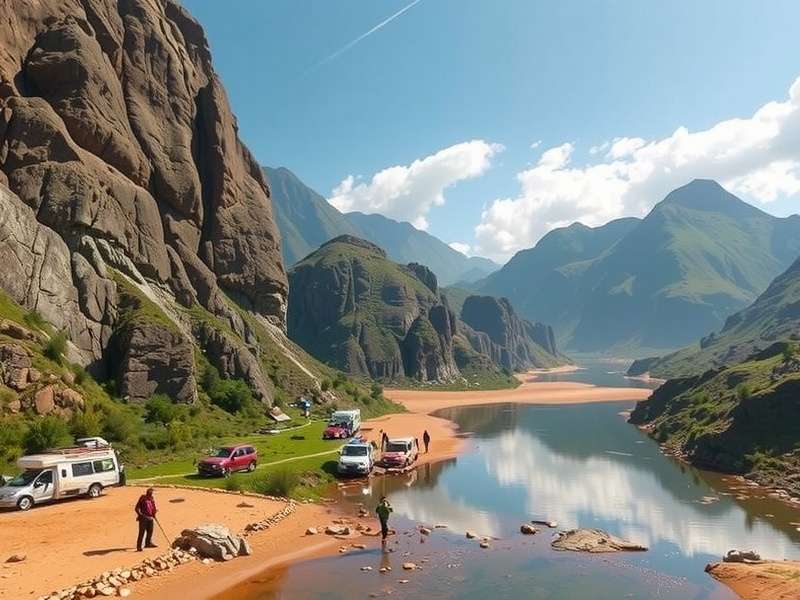
Vast Open World
Explore 12 distinct regions inspired by India's diverse geography – from the snow-capped Himalayas to the lush Western Ghats, from the arid Thar Desert to the fertile Gangetic plains, and from ancient temple cities to mystical forests.

Mythological Roster
Interact with and play as legendary figures from Indian mythology – from Lord Rama and Krishna to Goddess Durga and Kali, and from revered saints to mythical creatures like garudas, nagas, and vanaras.

Strategic Combat System
Engage in fast-paced, tactical battles using a blend of traditional Indian martial arts (Kalaripayattu, Silambam, Gatka) and divine abilities inspired by mantras, tantras, and yogic powers.
Since its launch, Valiant Vishwa Grand Adventure has achieved remarkable success, amassing over 2.3 million active players worldwide and receiving critical acclaim for its cultural authenticity, engaging gameplay, and stunning visuals. The game has been praised by both Indian and international critics for its ability to make Indian mythology accessible to global audiences while offering something deeply familiar and resonant for Indian players. It has also been recognized by the Government of India for its contribution to promoting Indian culture through digital media, winning several prestigious awards including "Best Indian Game of 2024" and "Excellence in Cultural Representation."
Core Features of Valiant Vishwa Grand Adventure
- Culturally Authentic Narrative: A compelling storyline that weaves together elements from Indian mythology, folklore, and philosophy, with voice acting in 7 Indian languages (Hindi, Tamil, Telugu, Bengali, Kannada, Malayalam, Punjabi) and English.
- Expansive Open World: A 150+ square kilometer open world with 12 distinct biomes, each inspired by a different region of India, featuring dynamic weather systems and day-night cycles that impact gameplay.
- Deep Character Customization: Create a unique Divine Seeker with extensive customization options, including traditional Indian attire (sarees, salwar kameez, dhotis, kurta pyjamas), armor sets inspired by ancient Indian warriors, and a wide range of facial features and hairstyles.
- Strategic Combat: A unique combat system that combines martial arts, divine abilities, and legendary weapons (Trishul, Sudarshana Chakra, Vajra, Bow of Arjun) with a "Prana Gauge" system that rewards strategic thinking and skillful execution.
- Mythological Quests: Over 200 quests (main story and side quests) inspired by Indian folktales and mythological events, each offering unique rewards and opportunities to learn about Indian culture.
- Multiplayer Modes: Engage in cooperative gameplay with friends (up to 4 players) to tackle challenging dungeons, or compete in PvP battles (1v1, 2v2, 3v3) in specially designed arenas inspired by Indian architecture.
- Cultural Events: Regular seasonal events tied to Indian festivals (Diwali, Holi, Navratri, Pongal, Eid) featuring limited-time quests, special costumes, and unique rewards that celebrate India's cultural diversity.
- Accessibility Features: Comprehensive accessibility options including adjustable difficulty levels, text-to-speech, visual cues for audio events, and customizable controls to ensure the game is accessible to players of all abilities.
Development Philosophy & Cultural Impact
The development of Valiant Vishwa Grand Adventure was guided by three core principles: authenticity, accessibility, and innovation. The team at Daman Games collaborated with leading historians, mythologists, and cultural experts to ensure that every aspect of the game – from character designs and locations to dialogue and narrative – accurately reflects Indian culture. This commitment to authenticity extended to even the smallest details: for example, the game's temple architecture is based on specific regional styles (Nagara, Dravidian, Vesara), and the character's movements draw inspiration from classical Indian dance forms like Bharatanatyam and Kathak.
At the same time, the developers recognized the importance of making Indian mythology accessible to global audiences who may not be familiar with the source material. To achieve this, the game includes an in-game "Mythology Guide" that provides context and explanations for mythological references, allowing players to learn about Indian culture at their own pace. The gameplay mechanics are designed to be intuitive for both casual and hardcore gamers, with a gradual learning curve that introduces complex concepts like Prana management and mantra chanting in a user-friendly way.
The cultural impact of Valiant Vishwa Grand Adventure has been significant. For Indian players, the game offers a sense of pride and representation – seeing their cultural heritage celebrated in a world-class gaming experience. For global players, the game serves as a gateway to Indian culture, introducing them to the rich tapestry of Indian mythology, philosophy, and traditions in an engaging and interactive way. The game has also sparked renewed interest in Indian mythology among younger generations, with many players reporting that they have started reading ancient texts and exploring Indian culture further after playing the game.
Gameplay Mechanics of Valiant Vishwa Grand Adventure
Valiant Vishwa Grand Adventure is an open-world action role-playing game (ARPG) that combines elements of exploration, combat, puzzle-solving, and storytelling to create a deeply immersive gaming experience. The gameplay is designed to be accessible to casual players while offering enough depth and complexity to satisfy hardcore gamers, making it appealing to a wide range of audiences. At its core, the game revolves around the journey of the Divine Seeker – a character created by the player – as they travel across Valiant Vishwa, mastering divine abilities, completing quests, and battling the forces of darkness.
One of the most distinctive features of Valiant Vishwa Grand Adventure is its seamless integration of Indian culture into every aspect of gameplay. Unlike games that simply add cultural elements as cosmetic features, Valiant Vishwa Grand Adventure incorporates Indian philosophy, martial arts, and mythological concepts into the core mechanics of the game. This integration creates a gameplay experience that feels both familiar and fresh, offering something unique compared to Western fantasy games.
Character Classes & Customization
The game begins with players creating their Divine Seeker, starting with the selection of one of six distinct classes. Each class is inspired by a different aspect of Indian mythology and offers a unique playstyle, allowing players to choose a character that aligns with their preferred gaming approach. The classes are designed to be balanced, with each having its own strengths, weaknesses, and unique abilities that reflect Indian cultural traditions.

Kshatriya Warrior
Inspired by the warrior caste of ancient India, the Kshatriya specializes in melee combat using heavy weapons like swords, axes, and spears. They excel in close-quarters combat, with high defense and strength stats, and can use abilities inspired by the martial prowess of legendary warriors like Arjun and Bhima. Ideal for players who prefer frontline battles and direct confrontation.
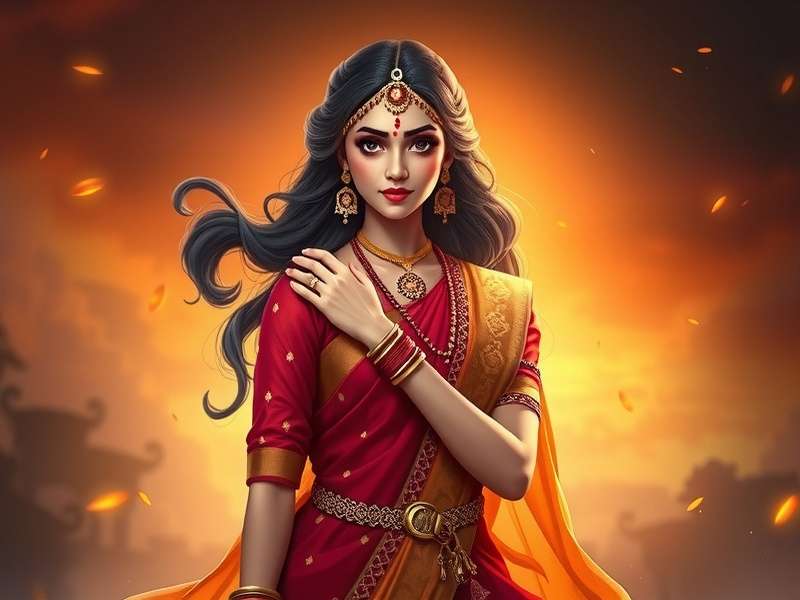
Rishi Mystic
Drawing power from ancient sages and rishis, the Rishi is a master of mystical abilities and elemental magic. They can cast spells inspired by the five elements (earth, water, fire, air, ether) and use mantra chants to heal allies, damage enemies, or create protective barriers. Weak in close combat but powerful at range, ideal for players who prefer strategic, spell-based gameplay.
Yogi Ascetic
Harnessing the power of yoga and meditation, the Yogi can manipulate Prana (life energy) to enhance their abilities, heal themselves and allies, and debuff enemies. They are versatile fighters with balanced offense and defense, able to adapt to different combat situations. Their abilities are inspired by yogic practices like Pranayama and Ashtanga Yoga, making them unique among ARPG classes.
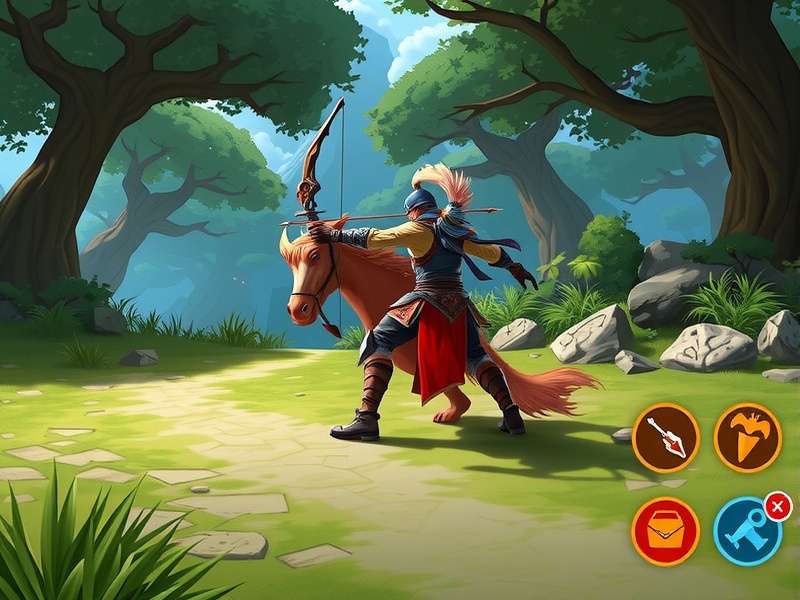
Nishada Rogue
Based on the hunter-gatherer communities of ancient India, the Nishada is a master of stealth, archery, and hit-and-run tactics. They have high agility and precision, able to deliver critical hits with bows and arrows or sneak up on enemies for devastating melee attacks. Their abilities are inspired by traditional Indian hunting techniques and guerrilla warfare, ideal for players who prefer stealth and precision.

Deva Champion
Blessed by the gods, the Deva Champion wields divine weapons and abilities inspired by Hindu deities. They can summon celestial beings to aid them in battle, use divine energy to smite enemies, and create protective auras that shield allies. With high damage output and moderate defense, they are ideal for players who want to feel like a mythological hero.
Sikh Warrior
Inspired by the warrior-saints of Sikhism, the Sikh Warrior specializes in combat using the Kirpan (sword) and Chakram (discus), with abilities based on the principles of courage, justice, and selfless service. They have balanced stats and excel in both melee combat and defensive support, able to protect allies while dealing significant damage to enemies.
After selecting a class, players can customize their Divine Seeker's appearance with a wide range of options that celebrate India's cultural diversity. The character customization system includes:
- Facial Features: A variety of skin tones, facial structures, eyes, noses, mouths, and hairstyles inspired by India's diverse ethnic groups.
- Traditional Attire: Over 50 different outfits inspired by regional Indian clothing, including sarees, salwar kameez, lehenga cholis, dhotis, kurta pyjamas, patialas, and phulkaris.
- Armor Sets: 20+ armor sets inspired by ancient Indian warriors, from the charioteers of the Mahabharata to the Sikh warriors of the 18th century.
- Accessories: A wide range of accessories including bindis, bangles, turbans, earrings, necklaces, and tilaks that reflect different regional and religious traditions.
- Weapon Customization: The ability to customize the appearance of weapons with engravings, gemstones, and decorations inspired by Indian art and mythology.
Combat System: Prana, Mantras & Martial Arts
The combat system in Valiant Vishwa Grand Adventure is one of its most innovative features, seamlessly integrating Indian martial arts, mythological abilities, and philosophical concepts into a cohesive and engaging gameplay experience. At the heart of the combat system is the Prana Gauge – a resource that represents the player's life energy, which is used to execute special abilities and mantra chants.
Prana is regenerated through basic attacks, successful dodges, and meditation (a mechanic where players can pause briefly to focus their energy). This system encourages strategic gameplay, as players must balance between using powerful abilities and conserving Prana for critical moments. Unlike many ARPGs that rely on random loot drops for character progression, Valiant Vishwa Grand Adventure uses a skill-based system where players improve their abilities through practice and mastery, reflecting the Indian philosophical concept of "Sadhana" (spiritual practice).
Martial Arts Combos
Each class has a unique set of combos inspired by traditional Indian martial arts. The Kshatriya uses Kalaripayattu (the ancient martial art of Kerala), the Nishada uses Silambam (the stick-fighting art of Tamil Nadu), and the Sikh Warrior uses Gatka (the martial art of the Sikhs). These combos can be chained together for devastating effect, with perfect timing rewarding players with increased damage and Prana regeneration.
Mantra Chanting
Mantras are powerful abilities derived from ancient Sanskrit texts that can turn the tide of battle. Each class has access to different mantras – for example, the Rishi can chant the "Gayatri Mantra" for healing, while the Deva Champion can chant the "Om Namah Shivaya" mantra for increased damage. Mantras are activated through quick-time events that require players to input a sequence of buttons in rhythm, adding a dynamic element to combat.
Divine Weapons
Players can wield legendary weapons from Indian mythology, each with unique abilities and upgrade paths. These include the Trishul (trident) of Shiva, the Sudarshana Chakra (discus) of Vishnu, the Vajra (thunderbolt) of Indra, the Bow of Arjun, and the Kirpan of Guru Gobind Singh. Each weapon has its own playstyle, encouraging players to experiment with different loadouts.
Strategic Defense
The game's defense system is inspired by traditional Indian martial arts, emphasizing evasion, parrying, and counterattacks over brute force. Players can dodge attacks with a quick roll, parry with perfect timing to stagger enemies, and use defensive mantras to create protective shields. Successful defenses reward players with Prana, encouraging a balanced approach to combat.
Elemental Powers
Players can harness the power of the five elements (Pancha Bhoota) – earth, water, fire, air, and ether – to create devastating attacks and combos. Each element has strengths and weaknesses against different enemies, adding a strategic layer to combat. For example, fire attacks are effective against ice-based enemies, while water attacks can extinguish fire-based enemies.
Team Synergy
In multiplayer modes, players can combine their abilities to create powerful synergies. For example, a Rishi can cast a healing mantra while a Kshatriya uses a taunt ability to draw enemy fire, or a Yogi can enhance a Nishada's critical hit chance with a Prana boost. Teamwork is rewarded with bonus experience points and rare loot, encouraging cooperative gameplay.
Open World Exploration & Quests
The open world of Valiant Vishwa Grand Adventure is one of the game's most impressive features – a vast, detailed landscape that spans 12 distinct regions, each inspired by a different part of India. The world is designed to be explorable from the very beginning of the game, with no artificial barriers blocking progress (though some areas are more challenging and better suited for higher-level players).
Each region has its own unique geography, climate, architecture, and culture, reflecting the diversity of India. For example:
- Himavat Peaks: A snow-covered mountain region inspired by the Himalayas, featuring ancient monasteries, sacred lakes, and temples dedicated to Lord Shiva. Home to yetis and other mythical creatures from Himalayan folklore.
- Ganga Plains: A fertile region inspired by the Ganges River basin, featuring ancient cities, villages, and temples. Known for its lush greenery, river systems, and agricultural landscapes.
- Dravidian Kingdoms: A southern region inspired by Tamil Nadu and Kerala, featuring Dravidian-style temples, backwaters, and tropical forests. Home to mythical creatures from Tamil folklore like the Karuppu Sami.
- Thar Desert: An arid region inspired by Rajasthan, featuring sand dunes, desert forts, and oasis villages. Known for its vibrant culture and bandit clans.
- Punjab Plains: A region inspired by Punjab, featuring fertile fields, gurudwaras, and fortresses. Home to the Sikh Warrior class and inspired by Sikh history and culture.
- Andhakara Wastes: A corrupted region where the forces of darkness are strongest, featuring twisted landscapes, haunted ruins, and powerful enemies. Only accessible to high-level players.
Exploration is a key part of the gameplay, with the game encouraging players to venture off the beaten path to discover hidden secrets, ancient ruins, and side quests. The world is filled with environmental puzzles inspired by Indian architecture and mythology – for example, solving a puzzle based on the Konark Sun Temple's sun dial or navigating a maze based on the design of a traditional rangoli.
The game features over 200 quests, including a main story questline that takes approximately 40 hours to complete and over 150 side quests that offer additional content and rewards. The main story follows the Divine Seeker's journey to collect the "Shards of Vishwa" – powerful artifacts that can restore balance to the world – while battling the forces of Andhakara led by the evil "Rakshasa King."
Side quests are particularly noteworthy for their cultural depth and variety. Many are based on regional Indian folktales, with players tasked with helping villagers solve problems, defeating mythical creatures, and preserving ancient traditions. For example:
- A quest in the Ganga Plains where players must help a village perform the Ganga Aarti (prayer ceremony) while defending against evil spirits that are trying to disrupt the ritual.
- A quest in the Dravidian Kingdoms where players must retrieve a stolen statue of Lord Murugan from a bandit clan, learning about Tamil mythology and temple rituals along the way.
- A quest in the Punjab Plains where players must help a gurudwara prepare for a religious festival, participating in traditional Sikh practices like langar (community meal) and kirtan (devotional singing).
- A quest in the Thar Desert where players must help a Rajasthani prince rescue his princess from a group of bandits, with the quest featuring elements of Rajasthani folk music and dance.
Completing side quests not only rewards players with experience points, gold, and loot but also unlocks new abilities, character customization options, and pieces of the game's lore. The game also features daily and weekly challenges that offer unique rewards, as well as seasonal events tied to Indian festivals that introduce limited-time content and special rewards.
Multiplayer Modes
Valiant Vishwa Grand Adventure offers a variety of multiplayer modes that allow players to team up with friends or compete against other players from around the world. These modes are designed to be accessible to casual players while offering enough depth to keep hardcore gamers engaged, with a focus on teamwork, strategy, and skill.

Cooperative Dungeons
Players can team up with up to 3 other players to tackle challenging dungeons inspired by Indian mythology. Each dungeon has a unique theme and boss battle, with mechanics that require teamwork and coordination. For example, the "Kailash Dungeon" requires players to navigate a maze of ice and snow while battling demons, with the final boss being a powerful yeti inspired by Himalayan folklore.
Player vs. Player (PvP)
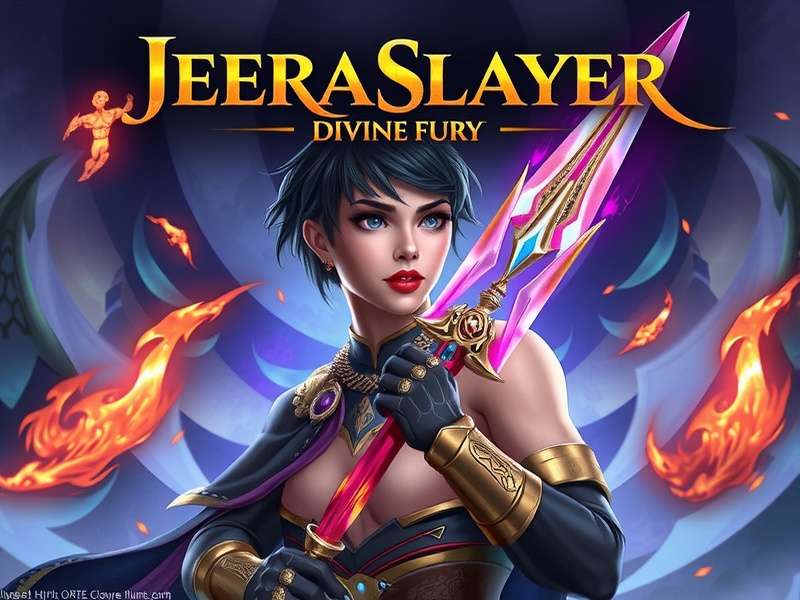
Players can compete in 1v1, 2v2, and 3v3 battles in arenas inspired by Indian architecture. The PvP system is balanced to ensure that skill, not just character level, determines the outcome, with matchmaking based on player skill rather than level. Players earn ranking points and rewards for winning battles, with seasonal leaderboards offering exclusive prizes.
Guild Wars
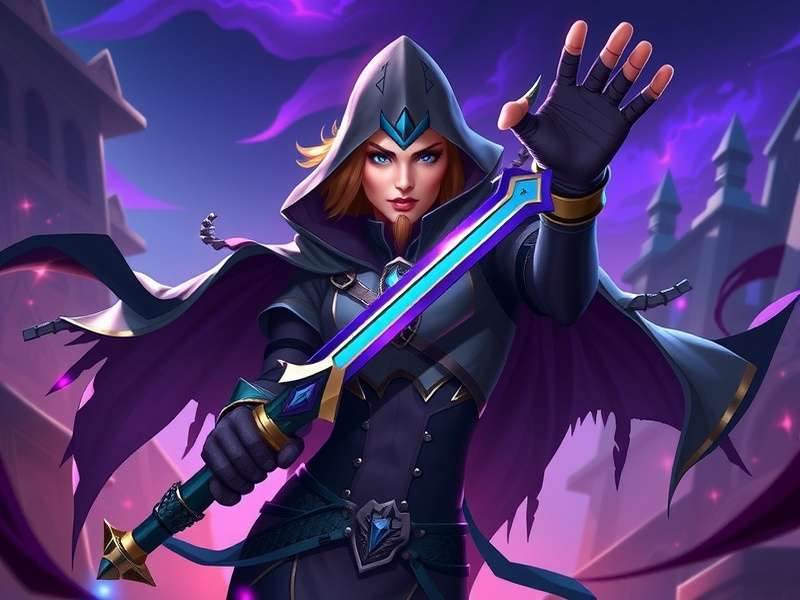
Players can form guilds (called "Sanghas") with other players, participating in weekly guild wars where 10-player teams battle for control of territory. Guild wars feature large-scale battles with siege weapons inspired by ancient Indian warfare, and guilds earn rewards that can be used to upgrade their guild hall and unlock exclusive abilities.
One of the unique features of the multiplayer modes is the "Cultural Synergy" system, where players from different regions of India can gain bonus abilities when playing together. For example, a player using a South Indian character and a player using a North Indian character will receive a Prana boost when fighting side by side, celebrating India's cultural diversity and unity.
Lore and World of Valiant Vishwa Grand Adventure
The world of Valiant Vishwa Grand Adventure is a rich, immersive universe that draws inspiration from the full spectrum of Indian mythology, folklore, and philosophy. Unlike many fantasy games that simplify mythological concepts for gameplay purposes, Valiant Vishwa Grand Adventure treats Indian mythology with deep respect and complexity, creating a lore that is both authentic and engaging for players of all backgrounds. The game's lore is carefully crafted to be accessible to players who may not be familiar with Indian mythology while offering enough depth and nuance to satisfy those who are already knowledgeable about the subject.
At the heart of the game's lore is the concept of Vishwa – a term that translates to "world" or "universe" in Sanskrit. Valiant Vishwa is one of many parallel universes in the game's cosmology, created by the Supreme Being (Brahman) as a testing ground for mortal souls. The